NYSCA/NYFA Artist Fellowship
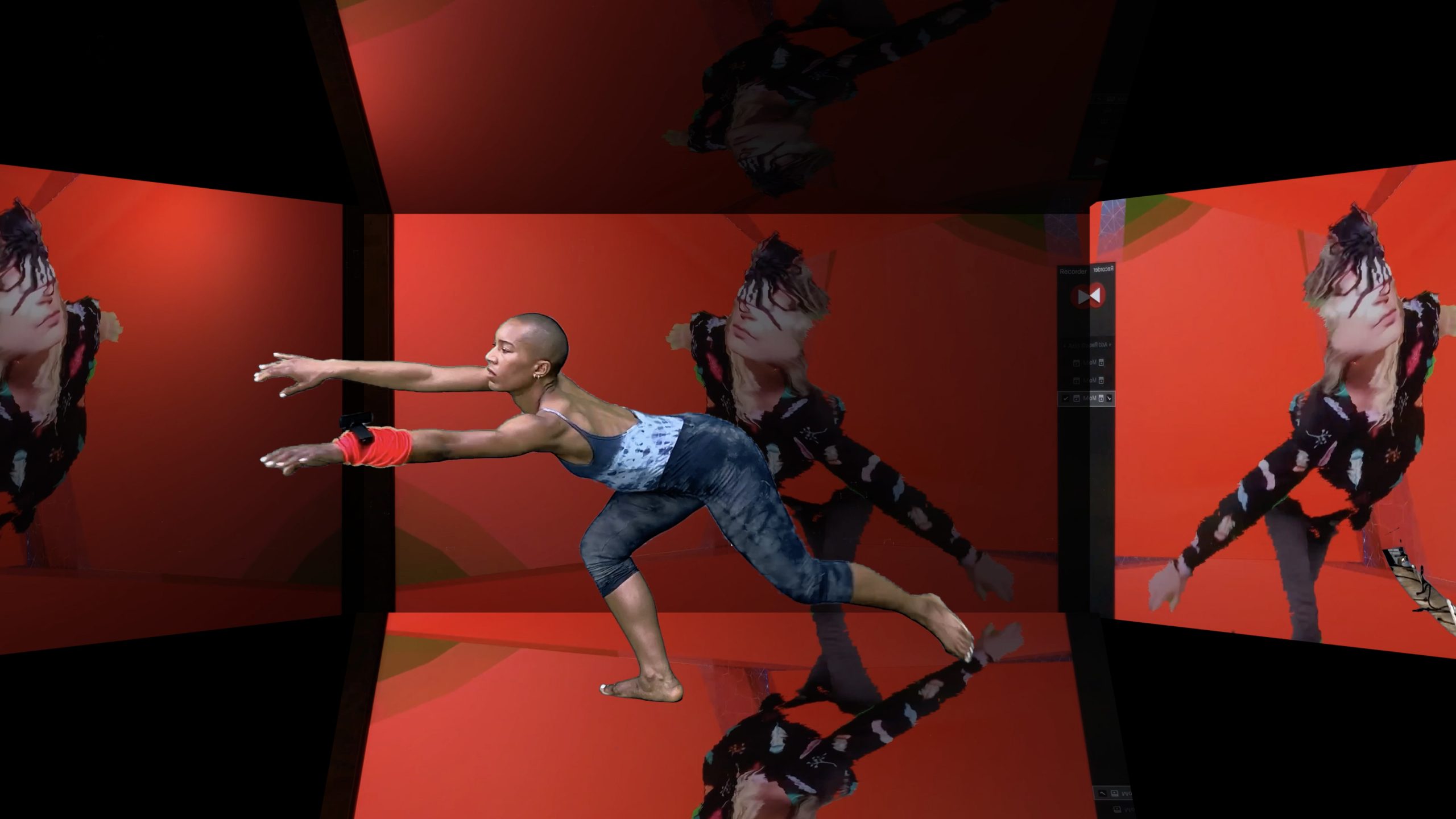
The NYSCA/NYFA Artist Fellowship is an $8,000 unrestricted cash grant available to artists living in New York State and/or one of the Tribal Nations located therein.
This grant is awarded in fifteen different disciplines over a three-year period (five categories a year) and the application is free to complete. The NYSCA/NYFA Artist Fellowship is not a project grant, but is intended to fund an artist’s vision or voice, at all levels of their artistic development.
The NYSCA/NYFA Artist Fellowship program is made possible by the New York State Council on the Arts (NYSCA) with the support of the Office of the Governor and the New York State Legislature. Additional funding is provided by Deutsche Bank Americas Foundation, Joy of Giving Something, the Milton & Sally Avery Arts Foundation, Lawrence Foundation, and individual donors.
You can join NYFA’s generous benefactors in helping artists. Visit our Donate page to learn more about the impact of your gift.
Timeline
*Please note that the application form on Submittable will automatically close and stop accepting applications at this time.
Eligible Disciplines
2026 Award Cycle
- Craft/Sculpture
- Digital/Electronic Arts
- Nonfiction Literature
- Poetry
- Printmaking/Drawing/Book Arts
2027 Award Cycle (Applications open in Fall 2026)
- Fiction
- Folk/Traditional Arts
- Interdisciplinary Work
- Painting
- Video/Film
2028 Award Cycle (Applications open in Fall 2027)
- Architecture/Environmental Structures/Design
- Choreography
- Music/Sound
- Photography
- Playwriting/Screenwriting
Applicants must meet the following eligibility requirements:
- 25 years or older by the application deadline date
- Current residents of New York State and/or one of the Tribal Nations located in New York State
- Must have maintained New York State residency, and/or residency in one of the Tribal Nations located therein, for at least the last two consecutive years (2024 & 2025)
- Not enrolled in a degree-seeking program of any kind
- Are the originators of the work, i.e. choreographers or playwrights, not interpretive artists such as dancers or actors
- Did not receive a NYSCA/NYFA Artist Fellowship in any discipline in the past five consecutive years: 2021, 2022, 2023, 2024, and 2025.
- Cannot submit any work samples that have been previously awarded a NYSCA/NYFA Artist Fellowship
- While collaborating artists are eligible to apply, the total number of artists cannot exceed three individuals (this includes the submitter). Each artist applying must all meet the eligibility criteria for this award. Artists applying as a collaboration cannot apply separately as an individual in the same year
- Applicants can apply in a maximum of 2 categories each cycle
- Are not a current NYFA employee or have been in the last 12 months, a member of the NYFA Board of Trustees or Artists’ Advisory Committee, 2026 panelist, or an immediate family member of any of the above.
- Artists that have been awarded five NYSCA/NYFA Artist Fellowships receive Emeritus status and are no longer eligible for the award
Learn more about the specific application requirements for each discipline below.
Download the Application Tips PDF for guidance on confirming your eligibility and crafting a strong application.
Discipline Description
This category accepts work in all forms of craft, including ceramics, glass, wood, metal, fiber, textiles, jewelry, and mixed media. This category accepts work in all forms of sculpture, including kinetic works and installations. Work-for-hire or mass-produced works are not eligible for this category.
1. Work Samples
Work samples are a representation of your artistic work. This is the most important part of your application, as it will be the primary point of review. Keep in mind the panel reviews a large volume of material in quick succession; therefore, it is very important that you present your work clearly. This is not a project grant; therefore you should be submitting work that is completed, or is a completed piece of an ongoing/continuing body of work.
TIP: Work samples produced in the past five years are highly recommended. If you submit older work samples, consider providing an explanation as to why you chose the older work samples in the metadata section.
What to Submit:
Applicants can submit up to 10 images total (submitting no less than 5 images is recommended). Images can be representative of a singular body of work or multiple bodies of work.
- Formats Accepted: Artists can select one of the following options:
- JPG or JPEG – Maximum of 10 uploads. Each upload should represent one single work sample.
- PDF File – 1 upload with a maximum of 10 pages. Each page should represent one single work sample. Do not include links within your PDF.
- Images of diptychs, installations, and multi-part works are accepted.
- Providing multiple images of one work sample on a single JPG or page of your PDF is acceptable in the Craft/Sculpture category.
TIP: You can upload files up to 400 MB each, with a total submission limit of 800 MB. When formatting your images, RGB is the recommended color profile for screen viewing. You can use image editing software such as Photoshop, Canva or Preview to edit, resize, and format your images.
Metadata Section in Application: A metadata section will appear on your application form after each work sample has been uploaded. In this section, you will be able to provide the following information:
- Title
- Date of Completion
- Materials
- Dimensions
(Required, 250-Words Max.): In addition to your submitted images, briefly describe the context, concept, and execution of your work sample(s). If your submitted work samples include multiple works, you can talk about them collectively or itemize each one and talk about them individually.
If relevant, you may also include:
- How your work samples (or a portion of your work samples) represent a larger body of work
- Whether the images document an installation, experience, performance, or time-based piece
- The intended circumstances in which the viewer/audience should experience the work such as instructions for navigating the work, if it’s interactive
2. Support Statements
Support statements are to be submitted directly to the application form in the corresponding textboxes. We recommend writing your statements in Microsoft Word or Google Docs and pasting them to Submittable.
(Required, 250-Words Max.): A concise statement giving an overview of your artistic practice.
- This statement should give a brief introduction to ideas, themes, and methods in your practice (i.e. how you make what you make, and/or why you make what you make).
- This statement should also specifically reflect the ideas and inspiration relevant to your submitted work samples.
- Use this statement to highlight your role in creating/executing the work, as well as describing the key technical aspects of the work.
- This is not an Artist Bio.
(Optional, 250-Words Max.): A supplemental statement that describes how your work is related to and/or rooted in a specific cultural practice, tradition, or community. This statement can also offer an opportunity to describe how your artistic work relates to or stems from your culturally-specific lived experience(s).
Discipline Description
This category accepts work in which technology is an essential element of the work’s creation, presentation, or understanding. Examples include: works created or displayed on computers or other electronic media; work created with computer models such as sculptural works or algorithmic art; interactive installations including immersive virtual environments; internet projects; hypertext documents; other image, text, audio, or video works rooted in technology. This category also includes work that critically engages with artificial intelligence (AI).
1. Work Samples
Work samples are a representation of your artistic work. This is the most important part of your application, as it will be the primary point of review. Keep in mind the panel reviews a large volume of material in quick succession; therefore, it is very important that you present your work clearly. This is not a project grant; therefore you should be submitting work that is completed, or is a completed piece of an ongoing/continuing body of work.
TIP: Work samples produced in the past five years are highly recommended. If you submit older work samples, consider providing an explanation as to why you chose the older work samples in the metadata section.
What to Submit:
Work Samples can be in one following formats:
- Work Samples (Images only) – up to 10 digital images
- Work Samples (Audio/Video Only)– 2 audio or video links, 5-minutes each in maximum length
- Work Samples (Images and Audio/Video)– up to 5 digital images and 1 audio or video link, 5-minutes maximum in length
- Images
- Formats Accepted: JPG or JPEG only
- Each upload should represent one single work sample.
- The submitted images can be representative of a singular body of work or multiple bodies of work.
- TIP: You can upload files up to 400 MB each, with a total submission limit of 800 MB. When formatting your images, RGB is the recommended color profile for screen viewing. You can use image editing software such as Photoshop, Canva or Preview to edit, resize, and format your images.
Metadata Section in Application: A metadata section will appear on your application form after each work sample has been uploaded. In this section, you will be able to provide the following information:
- Title
- Date of Completion
- Materials
- Dimensions
- Formats Accepted: Audio or Video links from YouTube, Vimeo, Dropbox, Google Drive, Bandcamp, or Soundcloud
- Submitting a video sample consisting of multiple clips from different projects, such as “demo reels” or highlight reels, is not allowed.
- Do not submit links to videos that need to be downloaded for access.
- Do not submit links to interactive websites. For online experiences or simulations, a video of the site in action is acceptable.
- Passwords for Video Links (if applicable): After you provide the link to your video, you will be requested to provide a password if applicable.
- Please ensure that the link and password you share will remain accessible until July 2026. Any broken links cannot be corrected after you submit your application.
Metadata Section in Application: A metadata section will appear on your application form below your link. In this section, you will be able to provide the following information:
Description (Video Link)
- Password (if applicable)
- Title
- Date of Completion
- Timestamps
(Required, 250-Words Max.): In addition to your submitted images, audio and/or videos, briefly describe the context, concept, and execution of your work sample(s). If your submitted work samples include multiple works, you can talk about them collectively or itemize each one and talk about them individually.
If relevant, you may also include:
- How your work samples (or a portion of your work samples) represent a larger body of work
- Whether the images, audio and/or videos document an installation, experience, performance, or time-based piece
- The intended circumstances in which the viewer/audience should experience the work such as instructions for navigating the work, if it’s interactive
2. Support Statements
Support statements are to be submitted directly to the application form in the corresponding textboxes. We recommend writing your statements in Microsoft Word or Google Docs and pasting them to Submittable. Document uploads for Support statements will not be accepted.
What to Submit:
(Required, 250-Words Max.): A concise statement giving an overview of your artistic practice.
- This statement should give a brief introduction to ideas, themes, and methods in your practice (i.e. how you make what you make, and/or why you make what you make).
- This statement should also specifically reflect the ideas and inspiration relevant to your submitted work samples.
- Use this statement to highlight your role in creating/executing the work, as well as describing the key technical aspects of the work.
- This is not an Artist Bio.
(Optional, 250-Words Max.): A supplemental statement that describes how your work is related to and/or rooted in a specific cultural practice, tradition, or community. This statement can also offer an opportunity to describe how your artistic work relates to or stems from your culturally-specific lived experience(s).
Discipline Description
This category accepts work in all varieties and genres of nonfiction literary prose, including essays, criticism, journalism, autobiography, monographs, memoir, creative non-fiction, and experimental forms.
1. Work Samples
Work samples are a representation of your artistic work. This is the most important part of your application, as it will be the primary point of review. Keep in mind the panel reviews a large volume of material in quick succession; therefore, it is very important that you present your work clearly. This is not a project grant; therefore you should be submitting work that is completed, or is a completed piece of an ongoing/continuing body of work.
TIP: Work samples produced in the past five years are highly recommended. If you submit older work samples, consider providing an explanation as to why you chose the older work samples in the metadata section.
What to Submit:
Applicants must submit 1 manuscript, up to 20 pages in maximum length, plus an additional title page (21 total pages).
- Format Accepted
- PDF Only
- Language: English
- 12pt font, double-spaced
- The title page should include the title of the piece and the date of completion.
- Your manuscript can consist of a singular body of work or multiple bodies of work.
- If your work sample includes a combination of excerpts from larger works, you are strongly advised to include substantial portions from each larger work, rather than small fragments.
- Do not include publication and/or production information anywhere on your manuscript. Materials can be previously published or not. If published, scanned excerpts from books or periodicals, in published form, will be ineligible.
- Do not include your artistic résumé in your PDF.
- Manuscripts must be in English, or can be translated into English by someone other than the artist.
Note: Panelists are instructed not to review any materials beyond the maximum number of pages allowed (21 pages, including the title page).
(Required, 150-Words Max.): Provide a synopsis for your work sample.
- The synopsis should offer a clear and concise summary of your manuscript.
- If your manuscript includes multiple works, you can itemize each one and talk about them individually.
2. Support Statements
Support statements are to be submitted directly to the application form in the corresponding textboxes. We recommend writing your statements in Microsoft Word or Google Docs and pasting them to Submittable. Document uploads for Support statements will not be accepted.
What to Submit:
(Required, 250-Words Max.): A concise statement giving an overview of your artistic practice.
- This statement should give a brief introduction to ideas, themes, and methods in your practice (i.e. how you make what you make, and/or why you make what you make).
- This statement should also specifically reflect the ideas and inspiration relevant to your submitted work samples.
- Use this statement to highlight your role in creating/executing the work, as well as describing the key technical aspects of the work.
- This is not an Artist Bio.
(Optional, 250-Words Max.): A supplemental statement that describes how your work is related to and/or rooted in a specific cultural practice, tradition, or community. This statement can also offer an opportunity to describe how your artistic work relates to or stems from your culturally-specific lived experience(s).
Discipline Description
This category accepts original work in all forms of poetry, for either the page, the stage, or lyrics for a music composition.
1. Work Samples
Work samples are a representation of your artistic work. This is the most important part of your application, as it will be the primary point of review. Keep in mind the panel reviews a large volume of material in quick succession; therefore, it is very important that you present your work clearly. This is not a project grant; therefore you should be submitting work that is completed, or is a completed piece of an ongoing/continuing body of work.
TIP: Work samples produced in the past five years are highly recommended. If you submit older work samples, consider providing an explanation as to why you chose the older work samples in the metadata section.
What to Submit:
Applicants must submit 1 manuscript, up to 20 pages in maximum length, plus an additional title page (21 total pages).
- Format Accepted
- PDF Only
- Language: English
- 12pt font
- Spacing and page formatting at the discretion of the artist
- The title page should include the title of the piece and the date of completion.
- Your manuscript can consist of a singular body of work or multiple bodies of work.
- If your work sample includes a combination of excerpts from larger works, you are strongly advised to include substantial portions from each larger work, rather than small fragments.
- Do not include publication and/or production information anywhere on your manuscript. Materials can be previously published or not. If published, scanned excerpts from books or periodicals, in published form, will be ineligible.
- Do not include your artistic résumé in your PDF.
- Manuscripts must be in English, or can be translated into English by someone other than the artist.
Note: Panelists are instructed not to review any materials beyond the maximum number of pages allowed (21 pages, including the title page).
(Required, 250-Words Max.): In addition to your submitted manuscript, briefly describe the context, concept, and execution of your work sample(s). If your submitted work samples include multiple works, you can talk about them collectively or itemize each one and talk about them individually.
If relevant, you may also include:
- How your work samples (or a portion of your work samples) represent a larger body of work
- Any particular conditions under which the work is best experienced (e.g., read aloud, performed, or in a certain setting)
- How to navigate or engage with the work if your poetry is interactive in some way (such as through multimedia or audience participation)
2. Support Statements
Support statements are to be submitted directly to the application form in the corresponding textboxes. We recommend writing your statements in Microsoft Word or Google Docs and pasting them to Submittable. Document uploads for Support statements will not be accepted.
(Required, 250-Words Max.): A concise statement giving an overview of your artistic practice.
- This statement should give a brief introduction to ideas, themes, and methods in your practice (i.e. how you make what you make, and/or why you make what you make).
- This statement should also specifically reflect the ideas and inspiration relevant to your submitted work samples.
- Use this statement to highlight your role in creating/executing the work, as well as describing the key technical aspects of the work.
- This is not an Artist Bio.
(Optional, 250-Words Max.): A supplemental statement that describes how your work is related to and/or rooted in a specific cultural practice, tradition, or community. This statement can also offer an opportunity to describe how your artistic work relates to or stems from your culturally-specific lived experience(s).
Discipline Description
This category includes work in visual media other than painting, including artist’s books, aquatints, collages, engravings, etchings, lithographs, monotypes, prints, serigraphs, woodcuts, cut paper, and drawings. Artists whose work involves painting only, including watercolorists, should apply to the Painting category. Artists whose work involves the computer as primary medium should apply in the Digital/Electronic Arts category.
1. Work Samples
Work samples are a representation of your artistic work. This is the most important part of your application, as it will be the primary point of review. Keep in mind the panel reviews a large volume of material in quick succession; therefore, it is very important that you present your work clearly. This is not a project grant; therefore you should be submitting work that is completed, or is a completed piece of an ongoing/continuing body of work.
TIP: Work samples produced in the past five years are highly recommended. If you submit older work samples, consider providing an explanation as to why you chose the older work samples in the metadata section.
What to Submit:
Applicants can submit up to 10 images total (submitting no less than 5 images is recommended). Images can be representative of a singular body of work or multiple bodies of work.
- Formats Accepted: Artists can select one of the following options:
- JPG or JPEG – Maximum of 10 uploads. Each upload should represent one single work sample.
- PDF File – 1 upload with a maximum of 10 pages. Each page should represent one single work sample. Do not include links within your PDF.
- Images of diptychs, installations, and multi-part works are accepted.
- Providing multiple images of one work sample on a single JPG or page of your PDF is acceptable in the Printmaking/Drawing/Book Arts category.
TIP: You can upload files up to 400 MB each, with a total submission limit of 800 MB. When formatting your images, RGB is the recommended color profile for screen viewing. You can use image editing software such as Photoshop, Canva or Preview to edit, resize, and format your images.
Metadata Section in Application: A metadata section will appear on your application form after each work sample has been uploaded. In this section, you will be able to provide the following information:
- Title
- Date of Completion
- Materials
- Dimensions
(Required, 250-Words Max.): In addition to your submitted images, briefly describe the context, concept, and execution of your work sample(s). If your submitted work samples include multiple works, you can talk about them collectively or itemize each one and talk about them individually.
If relevant, you may also include:
- How your work samples (or a portion of your work samples) represent a larger body of work
- Whether the images document an installation, experience, performance, or time-based piece
- The intended circumstances in which the viewer/audience should experience the work such as instructions for navigating the work, if it’s interactive
2. Support Statements
Support statements are to be submitted directly to the application form in the corresponding textboxes. We recommend writing your statements in Microsoft Word or Google Docs and pasting them to Submittable. Document uploads for Support statements will not be accepted.
What to Submit:
(Required, 250-Words Max.): A concise statement giving an overview of your artistic practice.
- This statement should give a brief introduction to ideas, themes, and methods in your practice (i.e. how you make what you make, and/or why you make what you make).
- This statement should also specifically reflect the ideas and inspiration relevant to your submitted work samples.
- Use this statement to highlight your role in creating/executing the work, as well as describing the key technical aspects of the work.
- This is not an Artist Bio.
(Optional, 250-Words Max.): A supplemental statement that describes how your work is related to and/or rooted in a specific cultural practice, tradition, or community. This statement can also offer an opportunity to describe how your artistic work relates to or stems from your culturally-specific lived experience(s).
NYFA regularly revisits its grant guidelines and eligibility requirements to improve clarity and accessibility and reduce unintentional bias. We invite feedback and suggestions that we can consider within the parameters of the program funder’s goals and NYFA’s required processes.
Applications are reviewed over the course of 3 elimination rounds.
- Rounds 1 & 2: The panel will carefully review and score assigned applications independently. The highest scoring applications will move forward into the next round of review.
- Round 3: The panel will meet as a group and collectively discuss the applications that have made it into this round, and conclude by selecting the Fellows and Finalists.
Peer review panelists will assess eligible applications according to the following evaluation criteria:
- Artistic Merit:
- A competitive application demonstrates excellence in their discipline through strong Work Samples that highlight the applicant’s creativity, technical proficiency, and overall artistic vision.
- Clarity and Cohesiveness:
- A competitive application presents clear, concise, and compelling Support Statements that provide valuable insights into their practice and motivations. The Support Statements should work together with the submitted Work Samples to provide a comprehensive understanding of the applicant’s vision and goals.
- Originality and Innovation:
- A competitive application showcases innovative methods, ideas, and/or concepts that makes their work stand out within the discipline. Panelists will assess the uniqueness and originality of an applicant’s approach, including the quality of execution, innovation in materials or techniques, and the overall impact of your work. Applicants may also demonstrate innovation through place-based work that is informed by or responsive to a specific location, community, or environment.
As part of the evaluation process, the NYSCA/NYFA Artist Fellowship prioritizes applications from New York State residents who live outside of the New York City metropolitan area. While this prioritization is considered within each round of review, it does not guarantee any specific outcomes regarding who will ultimately be awarded a fellowship.
Panelists are integral to the NYSCA/NYFA Artist Fellowship grant-making process. Panelists are New York-based artists, cultural workers, educators, and community leaders who carefully review NYSCA/NYFA Artist Fellowship applications throughout multiple scoring rounds and participate in a virtual panel discussion. Panelists receive an honorarium based on the number of applications reviewed, and public recognition for their panel participation at the time of recipient announcement.
The panelist nomination deadline was January 6, 2026. NYFA staff will reach out to submitted nominees on a rolling basis, no later than January 2026 if they are selected for a panel.
Submit your application
We only accept applications via Submittable. First-time users will need to register with the free Submittable platform to access the application portal.
Applications for 2026 NYSCA/NYFA Artist Fellowships are now closed.
Applications submitted after the deadline will not be accepted and no exceptions will be made. We strongly recommend that applicants complete their applications in advance of the deadline to allow time for work samples to upload and to avoid potential technical problems.
Applicants will receive an automatic response from Submittable once their application has been successfully received.
The NYFA Grants team hosted a series of virtual information sessions designed to help artists build a strong application. Each live session included a Q&A section where artists could ask the Grants team questions about the application process. All info sessions were held virtually over Zoom and were conducted in English. Recorded info sessions are available below for viewing, with closed captions.
This is a pre-recorded information session that covers a general overview of the 2026 NYSCA/NYFA Artist Fellowship program.
ABOUT THE NYSCA/NYFA ARTIST FELLOWSHIP
NYFA receives between 2,000 – 4,000 applications each application cycle. The number of grants awarded is predetermined by the amount of funding available for distribution. The number of awards distributed per discipline category is dependent on the number of applications we receive in each discipline. In 2025, NYFA awarded 92 Fellowships (99 artists) and 15 Finalists, totaling an amount of $753,000.
Fellows receive an $8,000 unrestricted cash grant. Each year 3 finalists are selected in each offered category. Starting in 2024, finalists are recognized with a $1,000 cash grant.
NYSCA/NYFA Artist Fellows are selected based on their artistic vision and voice presented within their application. Materials are reviewed and voted on by the panelists through multiple elimination rounds, producing a smaller pool for each round. An artist’s advancement is a product of the collective vote of the panel. A single panelist cannot ensure an applicant’s success or failure. The panel’s selection of Fellows and Finalists is reviewed by NYFA’s Artists’ Advisory Committee and by NYFA’s Board of Trustees. Neither the Committee nor the Board reviews the work of applicants or makes any aesthetic judgments. Panelists’ names are kept confidential until the awards are announced.
The NYSCA/NYFA Artist Fellowship is peer reviewed by panelists who are practicing artists experienced in the discipline they are reviewing. Recommendations for potential panelists come from many sources including: NYFA’s Artists’ Advisory Committee, arts and cultural organizations around New York State and Tribal Nations located therein, and suggestions from practicing artists. NYFA also accepts nominations for the NYSCA/NYFA Artist Fellowship panel.
NYFA makes every effort to assemble diverse panels, considering genre, gender, ethnicity, cultural background, and geographic location. Each discipline is reviewed by a unique panel, and panelists change every year. Panelists’ names are kept confidential until the awards are announced.
The NYSCA/NYFA Artist Fellowship program is made possible by the New York State Council on the Arts (NYSCA) with the support of the Office of the Governor and the New York State Legislature. Additional funding is provided by Deutsche Bank Americas Foundation, Joy of Giving Something, the Milton & Sally Avery Arts Foundation, Lawrence Foundation, and individual donors.
ELIGIBILITY
Applicants must be at least 25 years old at the time of the application deadline, and must also be a resident of New York State and/or one of the Tribal Nations located in New York State for at least two years prior to the deadline.
Applicants cannot be matriculated in a graduate or undergraduate degree program regardless of their field of study.
Fellowships are not awarded to interpretative artists such as dancers or actors; applicants must be the originators of the work, i.e. choreographers or playwrights.
Recipients of the NYSCA/NYFA Artist Fellowship within the past 5 years are ineligible, as well as NYFA employees, members of the NYFA Board of Trustees or Artists Advisory Committee, or immediate family members of any of the above or of a panelist from the current cycle. Artists that have been awarded five NYSCA/NYFA Artist Fellowships receive Emeritus Status and are no longer eligible to apply.
Please review the entire list of eligibility requirements under “Who Can Apply.”
No. Regardless of your field of study, no matriculated students are allowed to apply for a fellowship.
No. In addition to funding we receive from the New York State Council on the Arts, NYFA receives support from other sources to make grants to individual artists. The Deutsche Bank Fellowship, Geri Ashur Screenwriting Award,* Gregory Millard Fellowship, and Shelley Pinz Fellowship are all selected as part of the NYSCA/NYFA Artist Fellowship selection process.
*Geri Ashur Screenwriting Award Fellows receive $10,000.
Yes, collaborating artists should apply together under one application. A collaboration is defined as up to three artists who can clearly demonstrate an ongoing collaborative career. Collaborators only need to establish one online account and must submit only one application. Should a collaborative application receive an award, the grant will be divided evenly between the collaborating artists. All individual artists in a collaboration must clearly state their roles and must meet eligibility requirements.
You may apply in up to two different categories per cycle, but you can only receive funding in one. To do so, open one account online then create an application for each category. You should submit separate support materials for each category, however you may use the same work samples for both applications if you choose. Indicate the other category in which you are applying on each application.
Fellows are eligible to reply 5 years after their awarded cycle, while Finalists can apply again in the following cycle.
Yes. NYSCA grants are separate from the NYSCA/NYFA Artist Fellowship and do not affect eligibility.
PREPARING YOUR APPLICATION
Ultimately, this decision starts and ends with the applicant: no applications will be disqualified—all applications are seen in the panel review process. However, each individual panel has the ability to choose not to advance applicants to further rounds if they deem the work noncompetitive in the category. Review the guidelines carefully before starting your application.
Apply in the Interdisciplinary Work category if your work samples interweave various mediums and modes of creation together into one piece or body of work. Artists whose work is centered around installation, audience participation, creating immersive experiences, and/or performance are encouraged to apply. However, artists who work in a multidisciplinary practice (i.e. who do sculpture and painting, or video and painting) are encouraged to apply in the disciplines that best represent their work samples (i.e. Painting, Crafts/Sculpture, Video/Film) in order to make for the most competitive application. Ultimately, it is up to the applicant to decide which category they should apply in, as they know their practice best.
Choose work that represents your vision as an artist, and that was created in the last five years. Panelists are looking to support an artist’s voice or vision, so applicants should submit work samples that show a strong stylistic presence, voice, or theme. This can be achieved by showing the panel the depth rather than breadth of your work and by showing a sample of something that you do well. When making your work sample selection, narrow it down to focus on one or two bodies of work that relate in some comprehensive way. The job of the work sample is to get you from the first round to the next, so give the panelists enough to understand your work and to peak their interest.
We ask applicants to only submit completed work samples in their applications. The NYSCA/NYFA Artist Fellowship is not a project grant, and is intended to fund an artist’s vision as displayed across their work. Applicants should not submit project proposals or works they are in the process of completing. However, if your work is ongoing, participatory, or ever-evolving, you are welcome to submit it as a work sample. Please be sure to indicate this in the description section of your work sample.
Yes, you may send published work. You may also have work published in the interim while we review applications. There is no restriction on published or unpublished work. In addition, applying with work samples does not put your materials in the public domain. Panelists are asked to review work samples independent of the artist’s career point, therefore the status of your work’s publication has no bearing on whether you receive a fellowship.
You can upload image files up to 400 MB each, with a total submission limit of 800 MB.
Due to the large number of applicants and time constraints, we regret not being able to give one-on-one feedback about application material.
You can also find general feedback and useful tips for creating a strong application here.
APPLICATION TIMELINE
The application cycle typically runs from the Fall to early-Winter. All applicants will be notified of final decisions by mid-Summer of that years’ discipline cycle. Notifications are sent via Submittable. Official announcements are made in mid/late-Summer, and the names of all Fellows and the panelists who selected them will then be listed online at www.nyfa.org.
If selected for a Fellowship, individuals are first required to submit documentation verifying their New York State residency for the past two years, and from January of the award year. Acceptable documents include tax forms, phone bills, utility bills, bank statements, etc. Most recent tax laws state that Fellowships are taxable income; therefore, you should consult your tax advisor.
First, sign in to your Submittable account and check your application for a Notification message. If you have not received a notification by the notification date, please contact us.
You can view your application after you’ve submitted by first logging into your Submittable account. Once you are logged in, click on the “View Your Submissions” button in the top right corner of the page (you may be prompted to sign-in to your account for a second time). On the next page, you will find a list of all your Submittable applications. Locate the submission you want to view, and click on the name of the submission. You’ll be taken to the submission’s details page. Click on the “Forms” tab, and you will be able to see all of the information you entered for that application. You are also able to download a copy of your application for your records, including any of the files you attached to the submission, i.e. your work samples.
Yes. Once you have created a Submittable account, you can continue to use this login information to apply for future NYSCA/NYFA Artist Fellowship applications cycles, and so much more! Submittable hosts a variety of applications for awards, exhibitions, and opportunities. You can now use your account to apply to any of the applications available on Submittable. Your account is not strictly tied to the NYSCA/NYFA Artist Fellowship application.
NYSCA/NYFA Artist Fellowship applications have an upload limit of 2GB. If you are submitting images, each image can be no larger than 4MB. You can resize images using image editing software such as Photoshop, Preview, etc. If your video/film files are too large, you’ll need to compress them using video editing software, such as Movie Maker, Premiere, Final Cut, iMovie, etc. After you have compressed and reformatted your work samples, ensure they are not pixelated and that they play correctly before you upload them to the application. We highly recommend completing your application well in advance of the deadline to allow time for work samples to upload and to avoid potential technical problems.
HOW TO APPLY
All applications must be submitted through the Submittable platform. All open applications can be found on Submittable.
If you haven’t already, you will need to create a free Submittable account to be able to access the application. Visit Submittable to start a free account.
Step-by-step guidance for using the Submittable platform and setting up a free account is available here.
Yes. To save your application as a draft, scroll to the bottom of your working application and select “Save Draft.” Sign in to your submittable account to view your draft applications. You can also sign in via the direct link to saved drafts here.
No. All applications must be submitted online through Submittable to be considered for review.
For assistance in applying, please reach out through our Contact Page. We ask that requests for assistance be made as soon as possible, and at least two weeks prior to the deadline to allow adequate time for staff to support you in submitting an application on time.
This free online tool can help you convert to a wide variety of file types. Accepted file types are listed directly on the application.
You have the option of including notes and comments about your work samples in the metadata field. Once you have selected and uploaded your file on Submittable, an additional metadata field will appear in the application form. Please include additional information about the work samples there.
We highly suggest using a laptop or desktop computer to complete your application on the platform, rather than a mobile device or tablet. Free access to these types of computers are available at most public library branches throughout New York City. For a smoother performance, we recommend using either Firefox or Chrome as your browser. If you’re already using Chrome, please clear the browser cache and cookies. Additionally, please make sure you are using the most up to date version of your browser.
If you are still running into technical issues, you can reach out to Submittable’s Support team directly via the contact form, Submitter Support, or via the support email address submittersupport@submittable.com so that they can troubleshoot directly.
NYFA staff do not have access to your Submittable account.
To preview your submitted application, please sign in to your Submittable account. If you continue having issues viewing your submission, please reach out to submittersupport@submittable.com for further assistance.
Note: Submitted applications should only be previewed using the link above. You may not be able to preview your submitted application by signing in through the same portal link you used to apply.
No. All applications must be submitted by the deadline. Please note that the application form will automatically close and stop accepting applications at the deadline time of 5:00 PM ET, regardless of whether you still have a draft application open on your browser. We strongly encourage you to submit your application at least 24-48 hours before the deadline date to allow time to address any technical issues. NYFA cannot extend the deadline regardless of the cause of the problem you may have encountered.
By completing this information you are helping NYFA secure future funding, collect general information about our audience, and properly assess our effectiveness in serving the creative community. Your responses will remain anonymous and any personally identifying data will be removed prior to sharing the demographic data with third parties.
Any questions?