Food, Drink, and Art as Cultural Connectors
How artists are working with food and exploring its unique ability to educate and bring people together.
In 1962, Fluxus artist Alison Knowles debuted her event score Proposition #2: Make a Salad, which involved Knowles and her assistants chopping, tossing, and serving a large salad to an audience. The sounds of preparation were captured by microphones in their workspace. Through this work, a simple domestic act was transformed into art and an opportunity for delightful engagement.
A couple years later, in 1964, came Meat Joy, by late NYSCA/NYFA Artist Fellow and Hall of Fame Inductee Carolee Schneeman. In this piece, eight performers including Schneeman were covered in paint, paper, and paint brushes, crawling and writhing together with raw fish, meat, and poultry. It celebrated flesh as material.
Since then, the marriage of food and art has long continued–underscoring not only gender roles and the body but also a range of political, social, environmental, economic, and cultural issues. Now more than ever, food and drink are about so much more than about sustenance.
Here, we present some more recent examples of NYFA affiliated artists working with food and drink, along with opportunities that celebrate and recognize the Culinary Arts.
Artist Activations
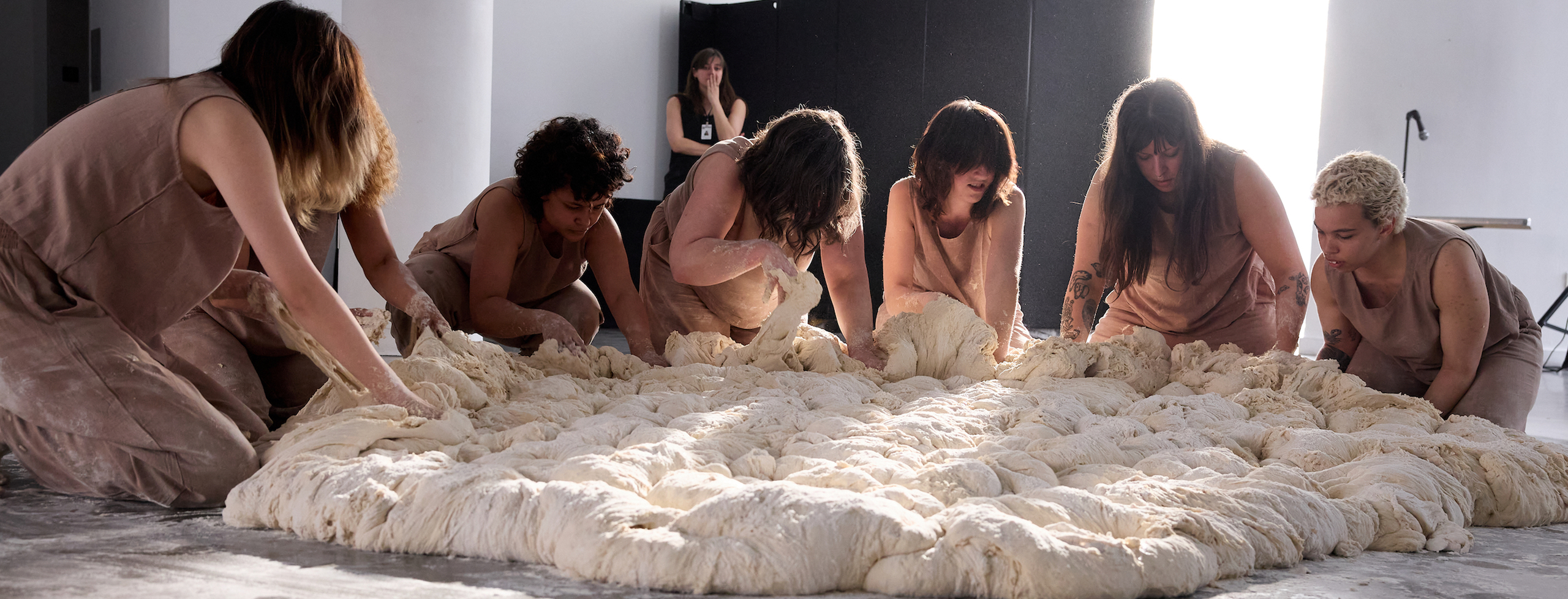
In Santina Amato (Queens Arts Fund ‘23, ‘26; IAP Mentee ’13, Mentor ’23)’s multidisciplinary arts practice, bread dough recurs as both material and metaphor. Rooted in her upbringing in an Italian immigrant household in Australia, dough carries associations of nourishment, care, and tradition—as well as excess, repetition, and exhaustion. One such example is Amato’s ongoing photographic and video series called “Portraits of Women With Their Weight In Dough,” which uses the dough to symbolize the emotional and physical burdens women carry. As a time-based, unstable substance, the dough resists permanence. Amato uses its processes of rising, cracking, and collapse to mirror cycles of formation and disintegration—of bodies, homes, and systems under strain.
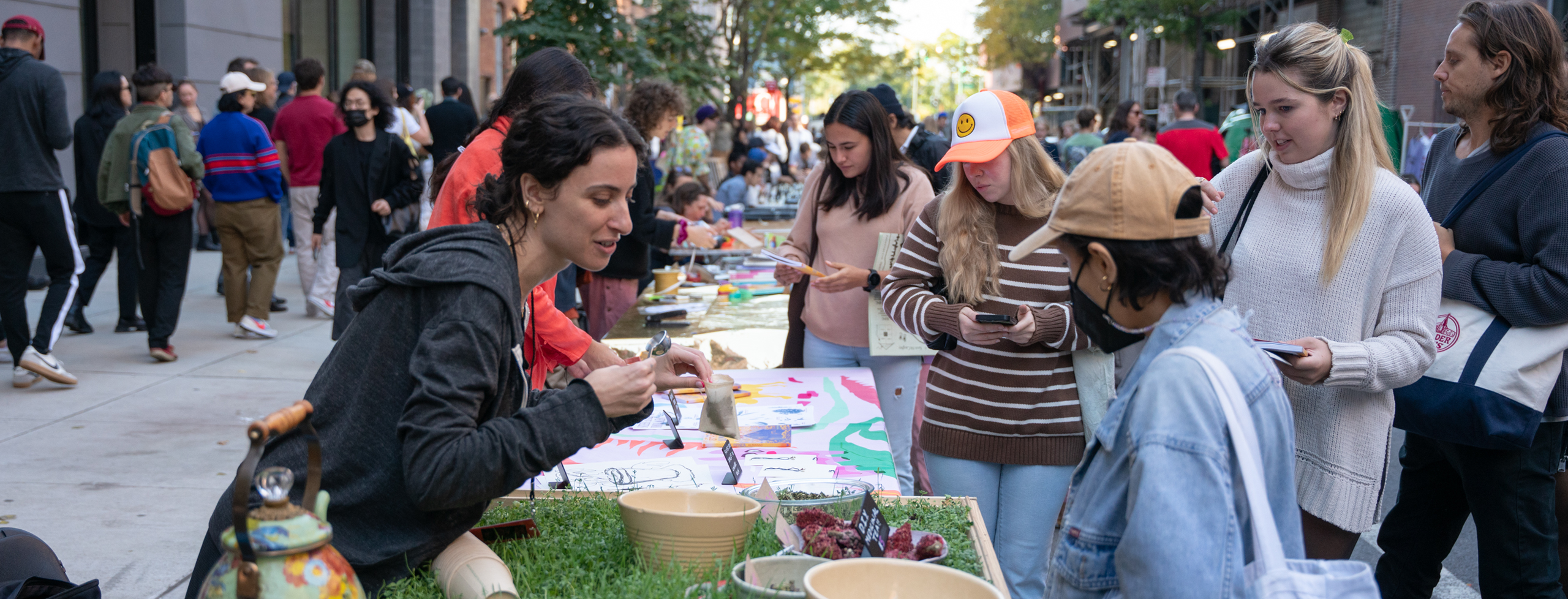
Ana Bessie Ratner (Anonymous Was A Woman ’24)’s The Other Almanac is a reimagining of The Old Farmer’s Almanac, updated for today’s world. While retaining the quirkiness and liveliness of the original, it aims to bridge the urban/rural divide in America, delving into issues of politics and culture that unite us all. Like the traditional farmer’s almanac, The Other Almanac comprises a mix of garden advice, data, essays, art, poems, jokes, how-to’s, recipes, and calendars. Each edition is printed with the work of over forty contributors; a curated mix of climate organizers, migrant farmworkers, historians, journalists, ecologists, sex workers, incarcerated painters, borderland midwives, and more. The diversity of contributors, and the mix of content, underscores the importance of farming, farm workers, and where recipes come from.
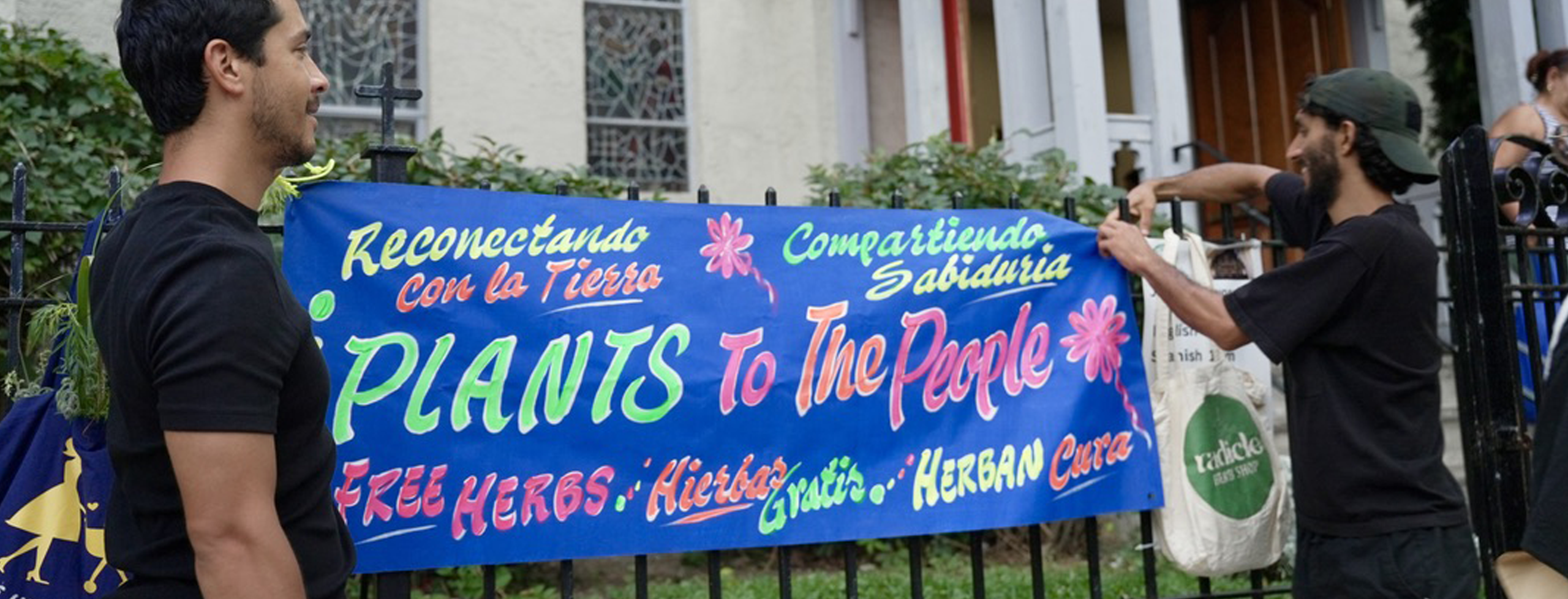
Herban Cura (Anonymous Was A Woman ‘25)’s Plants to the People farm, located in NY’s Hudson Valley, is both a refuge for our human and beyond-human-community and a hub for resistance, resilience, and regeneration. Founded in 2015 by clinical herbalist and community organizer Antonia Estela Pérez and a POC-led organization, Herban Cura seeks to create access to ancestral wisdom through 1) in-person and virtual knowledge shares; 2) an online Living Library educational platform; 3) Community Supported Apothecary (CSA) program; 4) Plants to the People Farm; and 5) Plants to the People mutual aid programming. Their Plants to the People programming seeks to support low-income and immigrant populations in accessing free and fresh herbal medicine.
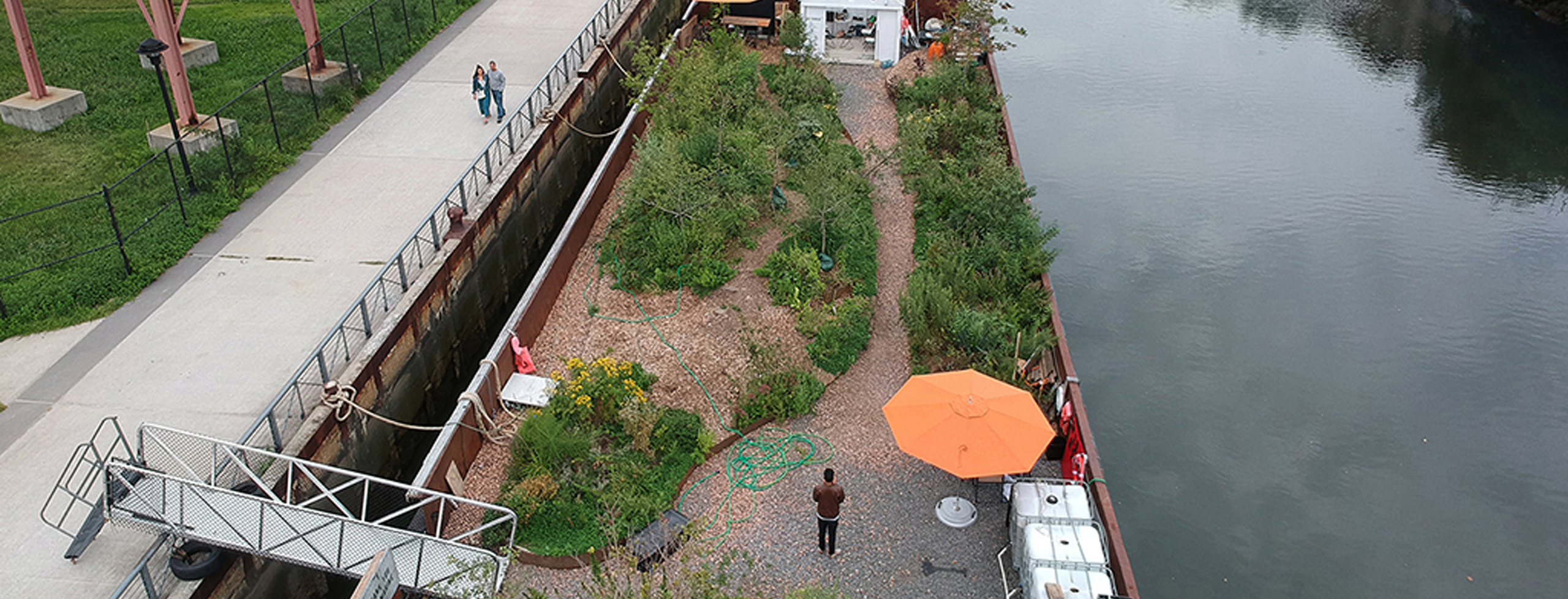
Mary Mattingly (Fellow in Craft/Sculpture ’11, Interdisciplinary Work ’18, Fiscal Sponsorship)’s Swale (floating food forest) sculpture is a public artwork on a barge that travels to coastal communities in New York City and now to towns along the Erie Canal in upstate New York. This long-term project combines immersive, contemplative art with a floating food forest growing perennial, salt-tolerant fruits and vegetables. It is open to the public as a space for foraging, learning, and participation. It expands food and waterway access,challenges public space policies, and instigates adaptation to rising waters through resiliency design and art. The project recently acquired a dedicated barge in Rochester, NY, which will serve as Swale’s permanent home, and is seeking build-out funds. They plan to open the second barge on June 6 in Medina, NY, with the goal of bringing it to New York City by Fall 2026. Since its inception, it has engaged 347,000 visitors across NYC’s five boroughs, facilitated numerous public programs including 800 guided tours and 75 school trips, and provided hands-on ecological and arts education through Summer Youth Employment programs.
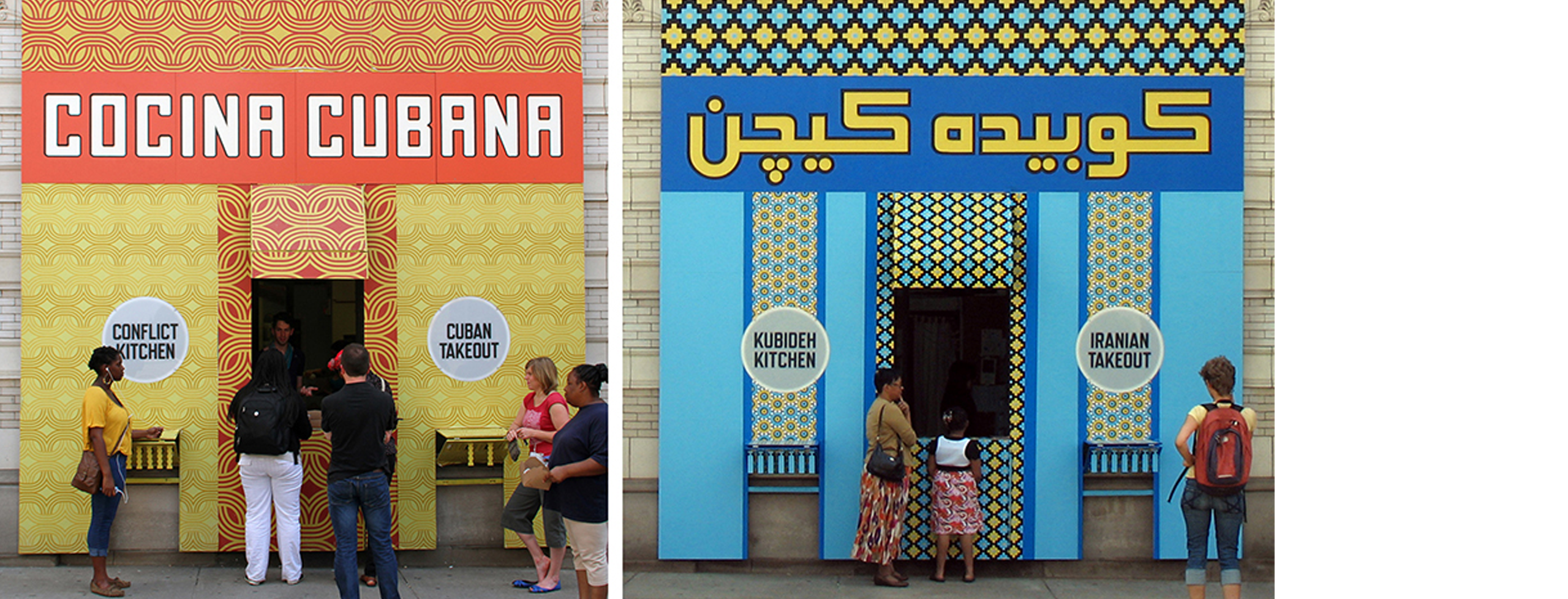
For seven years, from 2010-2017, Dawn Weleski (Fellow in Interdisciplinary Work ‘24)’s Conflict Kitchen served cuisine from countries with which the United States was in conflict. Operating seven days a week in the middle of Pittsburgh, PA, Conflict Kitchen used the social relations of food and exchange to engage the public in discussions about countries, cultures, and people that they might know little about outside of the polarizing rhetoric of governmental politics and the narrow lens of media headlines. The restaurant rotated identities roughly twice a year, or in relation to current geopolitical events. It created a constantly-changing site for platforming the under-recognized diversity of Pittsburgh, presenting the first Iranian, Afghan, Cuban, Venezuelan, North Korean, Haudenosaunne, and Palestinian restaurants the city had seen.
In 2017, former Board Member Elia Alba (Fellow in Crafts ’01, Photography ’08) brought her Supper Club project to NYFA’s Artist as Entrepreneur Program for Artists of Color program. Beginning in 2012, Alba began photographing contemporary artists of Color and hosting The Supper Club, a series of dinners that were created to bring artists together to engage in dialogue around art, life, pop culture, politics, and race. The series of portraits of the dinner guests were inspired by Vanity Fair’s annual “Hollywood Issue” and features the guests in locations and costumes that capture their unique voices, transforming their identities into iconic images. Participants included NYSCA/NYFA Artist Fellows: Maren Hassinger (Fellow in Sculpture ’88), Zachary Fabri (Interdisciplinary Work ’12), and Juana Valdés (Fellow in Sculpture ’11). The 2017 NYFA program mentioned above was combined with The Supper Club to create a space for artists of Color to come together and engage in candid and supportive dialogue–providing a dedicated platform through entrepreneurial training to support their lives as artists.
Opportunities and Resources
From now through May 4, The Vilcek Foundation is accepting applications for its 2027 Vilcek Prizes for Creative Promise in Culinary Arts. Six $50,000 cash awards will be given to young immigrant professionals who have demonstrated exceptional early career achievements in two Culinary Arts categories: Food & Beverage and Media & Storytelling. Three prizewinners will be selected in each category through an application process juried by panels of experts in each field.
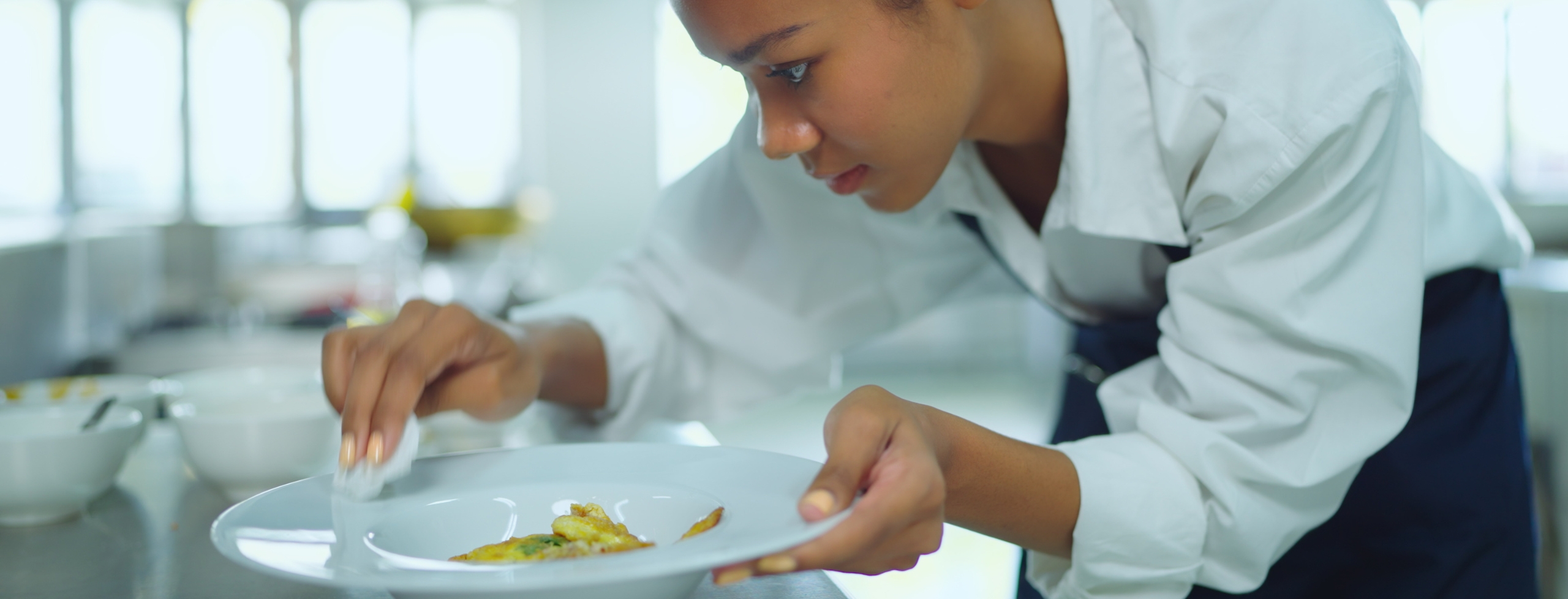
“From food trucks to fine dining, immigrant labor and ingenuity have made the American culinary scene amongst the most robust in the world,” said Rick Kinsel, President of the Vilcek Foundation. “With these prizes, we are proud to bring the full diversity of immigrant contributions into national focus. We welcome U.S.-based applicants with international backgrounds across the culinary arts—including chefs de cuisine, content creators, and everyone in between.”
Artist built community Ox-Bow will seek applicants for their 2027 Culinary Artist in Residency program this May. The Culinary Artist in Residency, which takes place in two parts over the course of a winter and summer season, invites participants to explore how food shapes community, narrative, and creative exchange.
Open to creators of all backgrounds—not only those with traditional fine arts training—the program invites anyone whose creative practice engages food as material, whether through research, performance, sculpture, social practice, or event-based work. Up to six artists or collaboratives are selected each cycle, with residents receiving room and board during their time on campus, a $1,500 artist fee in support of their public program(s), a $600 travel stipend, and a $200 materials budget for the winter residency.
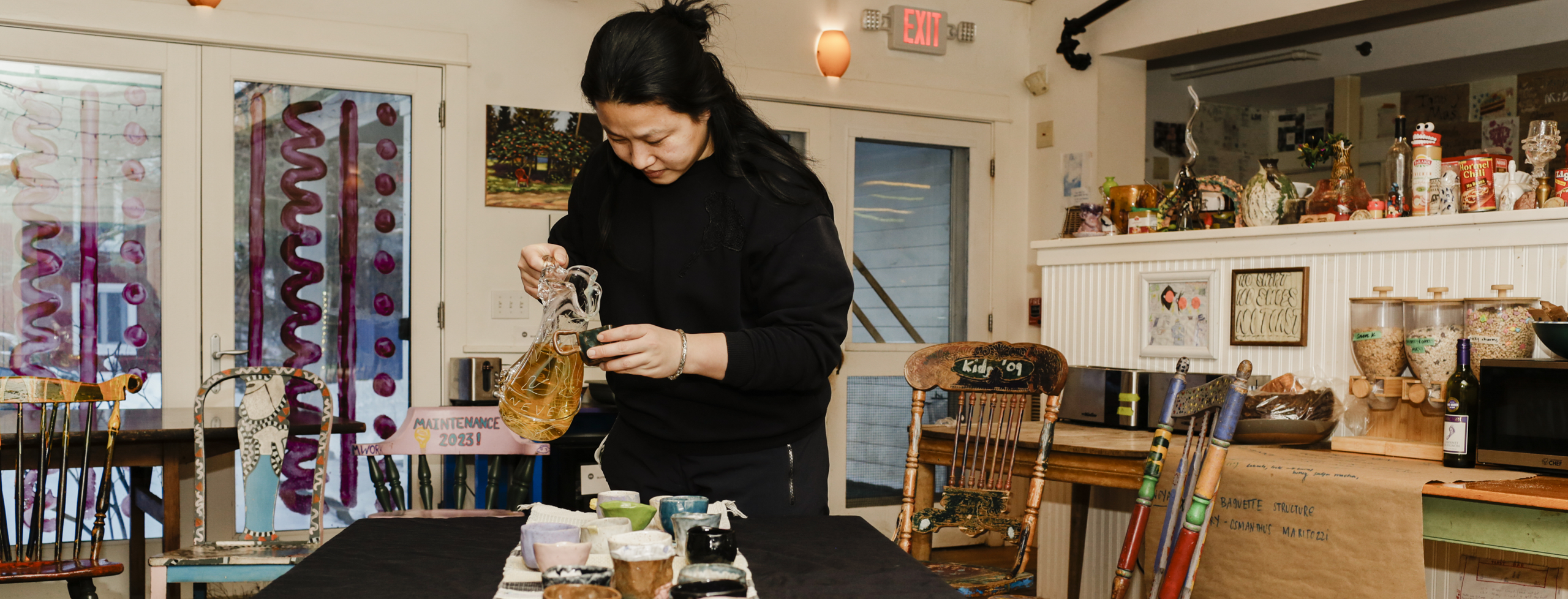
Said 2026 Culinary Artist in Residence Luna Vela: “Ox-Bow reminded me how much opens up when you stay curious and say yes to collaborating with artists whose work looks nothing like yours. I’m so grateful this program recognizes what a lot of spaces still don’t— that nourishment and creativity are not separate things.”
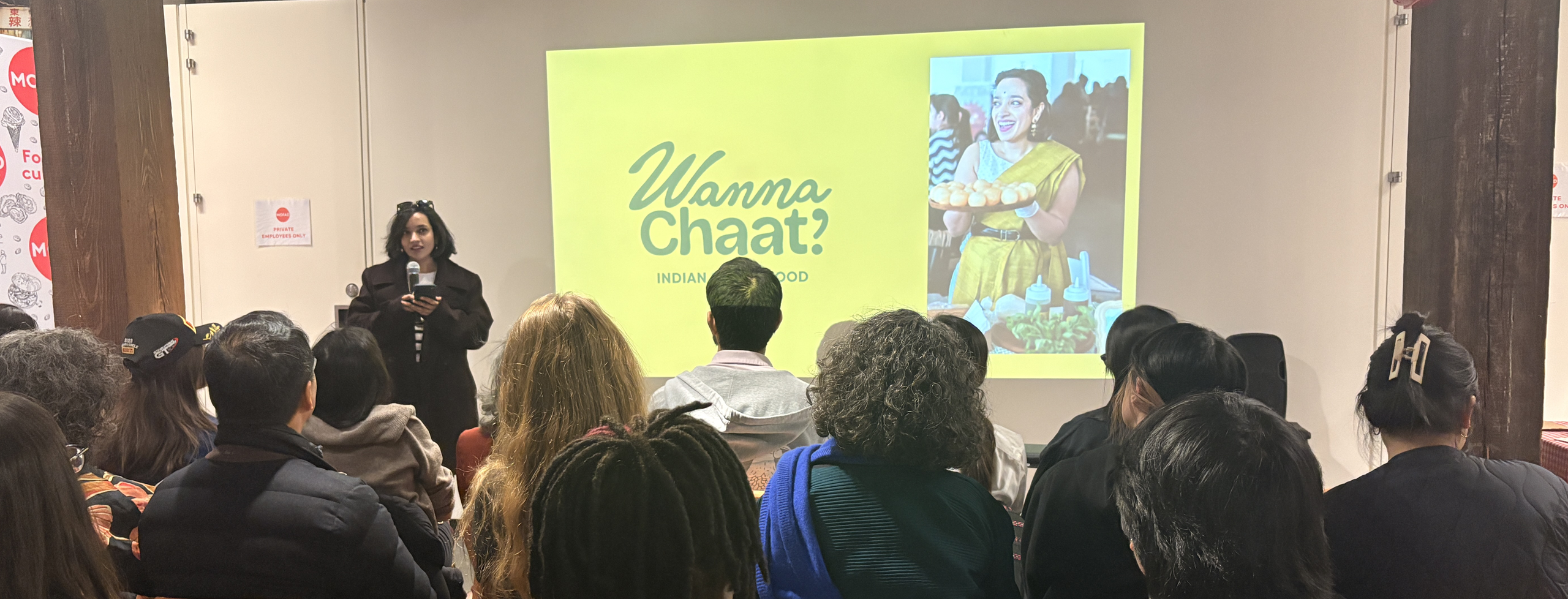
NYFA officemates Asian American Arts Alliance (A4) recently held a town hall event on Culinary Arts in partnership with the Museum of Food and Drink (MOFAD), underscoring the myriad connections between food and art and the value in supporting others who are creating things that represent who they are and where they come from.
The event brought folks from the culinary arts together to share their projects, resources, and opportunities with the AAPI creative community, as well as make new connections. Featured presenters included Lisa Cheng Smith, founder of Yun Hai, an importer and distributor of artisanal Taiwanese foods and products who spoke about bringing food from the diaspora to New York City and how food and politics are deeply intertwined.
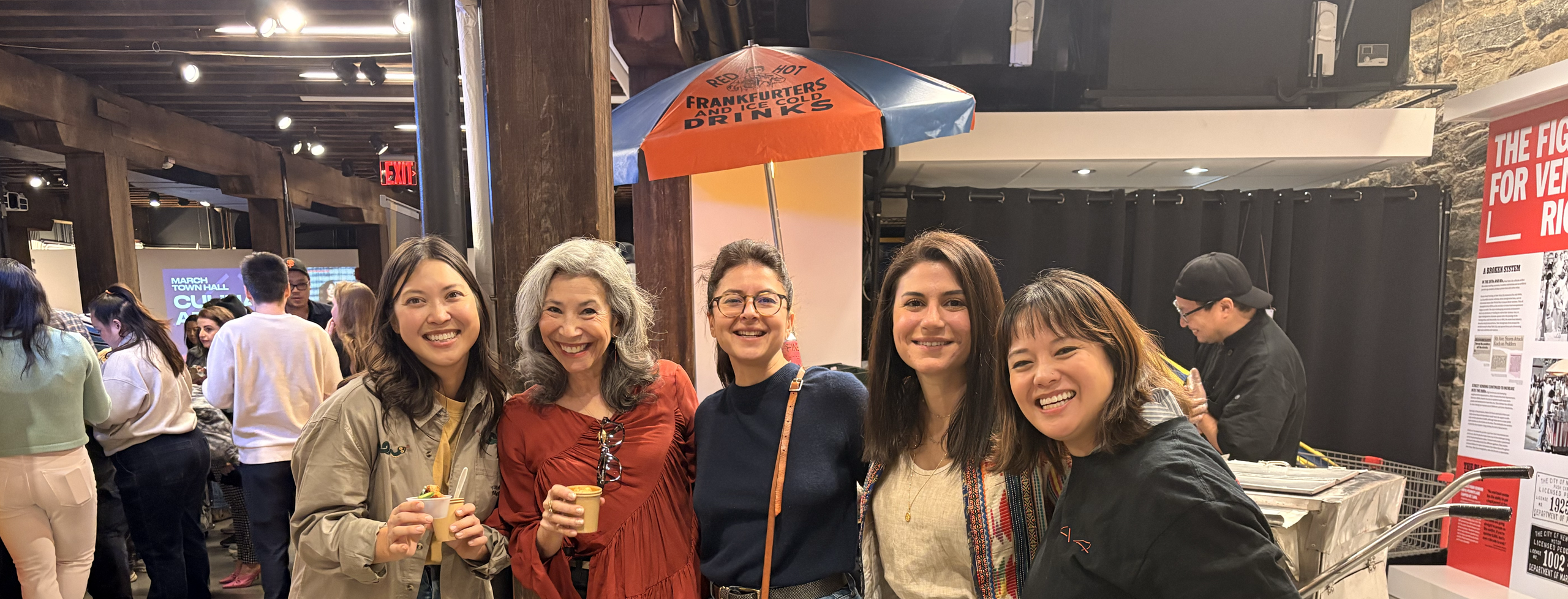
Cheng Smith highlighted her background in art and design working for brands like Areaware and Hay, and how she infused it into her retail, product, and food business, saying: “Through Yun Hai, we’re always supporting what we call ‘the Taiwanese voice.’ It’s not just the food that’s being produced in Taiwan, it’s also how it’s being presented, the sensibility of the designers and artists in Taiwan, the everyday culture and street life of Taiwan.”
Also featured were Rala Ziadeh and Yumna Madi, the team behind Lammeh, a Syrian catering and cultural events company that organizes food experiences centered on Arab cultures and storytelling. Said Madi on her partnership with Ziadeh: “The thing that is important to us is to tell our stories—especially when it comes to food—in a specific way. We reject the general categorization of our food as merely ‘Middle Eastern’ food, which in turn has diluted it from its rich history, uniqueness, and stories.”
Continued Ziadeh: “To us, food is art. When we create a Lammeh dinner, we’re not inventing something new. We’re continuing a very old tradition from across the Arab world where food, art, and music always live together.”
Find more opportunities in the arts by visiting our Opportunities Board. Interested in listing a Culinary Arts job or opportunity with us? Get details and sign up to post here or contact Leah Rosenfeld for questions at lrosenfeld@nyfa.org.
- Announcing: The Incubator for Executive Leaders of Color Participants 2026
- NYFA Inducts Coco Fusco, James Welling, The New York State Council on the Arts (NYSCA) into its Hall of Fame at Annual Spring Benefit
- In Case You Missed It! You May be Eligible for Emergency Grants through NYFA and Rauschenberg Foundation